
Reported Speech – All Tenses – B2RS002 – ESL EFL Classroom material
March 29, 2023
Reported Speech – Modals – B2RS003 – ESL EFL Classroom material
April 2, 2023Transcript
Welcome to a Toony Blunt TOEFL practice listening test. You will hear a passage on the topic of the recently discovered Chinese pyramids. After you have listened to the passage, you will answer a series of multiple choice questions. Please listen carefully and choose the best answer for each question.
The pyramids found in China are a fascinating and enigmatic discovery that have garnered much attention from historians and archaeologists alike. It was not until the 1990s that over 100 pyramids were discovered in China’s Shaanxi Province by an American researcher named Hartwig Hausdorf. Despite being built over 2,000 years ago, these pyramids were not well-known to the world and were not mentioned in any Chinese history books. In fact, the Chinese government denied their existence for many years.
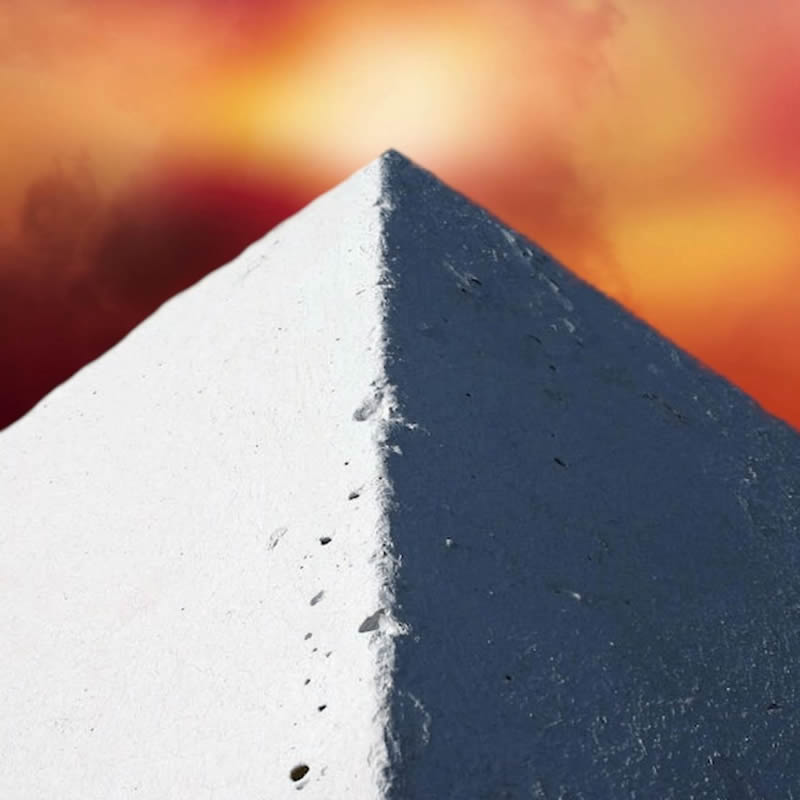
The pyramids vary in size and shape, ranging from small mounds to large stepped pyramids. They were constructed during the Han Dynasty (206 BC-220 AD) and the Tang Dynasty (618-907 AD). The most well-known and impressive pyramid is the Great White Pyramid, said to be the largest and oldest of the pyramids, standing over 100 meters tall and made of white stone. However, despite its size and prominence, the entrance to the pyramid remains sealed and no one knows what secrets lie within.
One of the most perplexing aspects of the pyramids in China is the lack of excavation that has been done on them. Unlike the pyramids in Egypt, very little excavation has been carried out on the pyramids in China, leaving them shrouded in mystery and speculation. There are many theories as to why this is the case, including the possibility that the Chinese government is deliberately keeping the pyramids unexcavated in order to maintain their mystery and prevent damage to the structures. Another theory suggests that the pyramids may be booby-trapped with dangerous traps, making excavation too risky. Yet another theory is that the pyramids are simply too difficult to excavate due to their location in remote and inhospitable areas.
Despite the lack of excavation, the Great White Pyramid has been studied using modern technology, revealing that it is located in close proximity to other smaller pyramids in the area. This has led some to believe that the White Pyramid may have been the center of a pyramid complex, similar to those found in Egypt.
In conclusion, the pyramids in China are a fascinating discovery that raise many questions and theories. The lack of excavation and information about these structures has only added to their mystery and intrigue. With the advances in modern technology and the potential for future excavation, it is possible that these ancient pyramids will continue to reveal their secrets in the future.
1. Who is responsible for the discovery of the pyramids in China?
A). A Chinese archaeologist.
B). A German historian.
C). An American researcher.
D). A French explorer.
2. What is the approximate age of the oldest known pyramid in China?
A). 2,000 years old.
B). 3,000 years old.
C). 4,000 years old.
D). 5,000 years old.
3. Which pyramid is the most prominent in China?
A). The Great Black Pyramid.
B). The Great Blue Pyramid.
C). The Great White Pyramid.
D). The Great Red Pyramid.
4. What is a possible reason for the lack of excavation on the pyramids in China?
A). They are too dangerous to excavate due to booby traps.
B). The Chinese government is deliberately keeping them unexcavated.
C). They are too difficult to excavate due to their remote location.
D). All of the above.
5. What have modern technologies revealed about the Great White Pyramid?
A). It was used as a temple.
B). It is located close to other smaller pyramids.
C). It was built during the Zhou Dynasty.
D). It is made of limestone.
6. During which dynasties were the pyramids in China built?
A). The Song and Yuan dynasties.
B). The Han and Tang dynasties.
C). The Ming and Qing dynasties.
D). The Sui and Jin dynasties.
Check your answers in the description and tell us how many you got right out of six! Which question was the most difficult? Let us know in the comments! And don’t forget to subscribe and like this video. Thanks!
Play the game MIX. Have your students gather around in a tight circle and then say , “Mix!”. Have them then weave in, out and around eachother as fast as possible and then say, “Pairs!”. When you say pairs, the students put their hands on the shoulders of whomever is closest to them. Then have them ask the below questions to eachother and then repeat. (If you have enough students you can also say, “Trios”)
Questions:
- What do you think was the purpose of the pyramids in Egypt?
- Have you been to any archaeological ruins that had pyramids? Which one?

Related posts:
 Artificial Intelligence – C1 – TOEFL Listening Practice
 Will Generative AI Change Your Life? – C2 – TOEFL Listening Practice
 5 Steps You Need to Start a Metaverse Business – C1 – TOEFL Listening Practice
 20 Year Old Creates a Million Dollar Business Using Artificial Intelligence – C1 – TOEFL Listening
 The Rise of Netflix: From DVDs to Streaming Giant – B2 – Listening Practice
